portfolio, research, SWOT/Target Setting

Cheltenham Illustration Awards Progress

Its been a little while, but I’ve made some good progress since last checking in!

This week, I’ve been working constantly on concepts for my Cheltenham Awards piece- I want this to be culmination of my progression throughout my degree, so I want to make sure it’s suited to the brief, artistically and technically sound, and also something I’m proud of and can connect with.

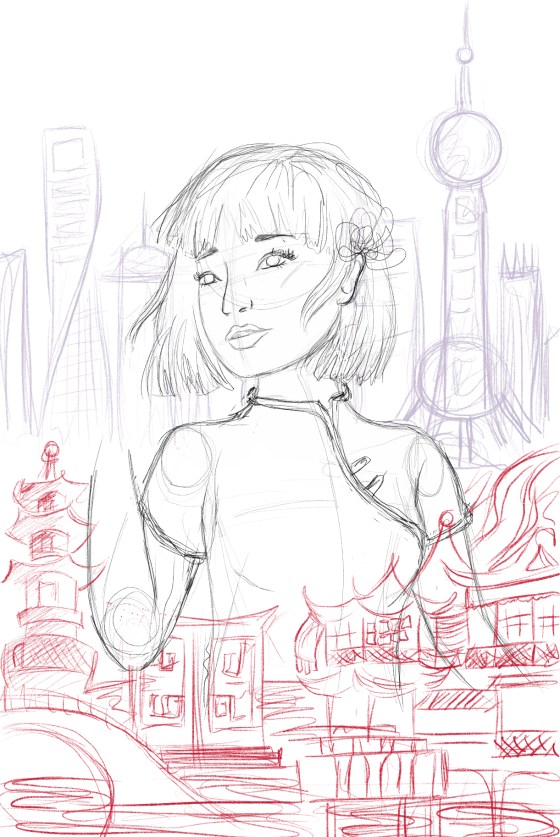
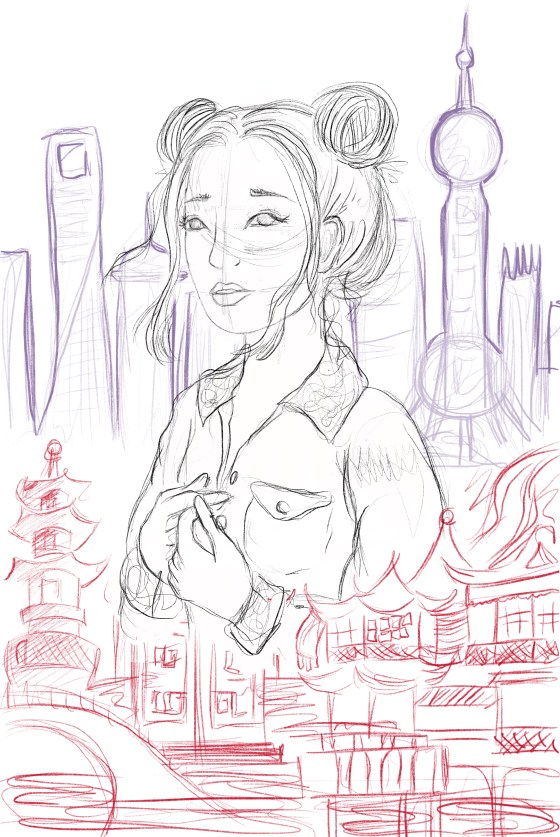
When mapping out ideas for ‘Unity’ (the theme of the Awards this year), I thought back to my trip to China last year. The contrast between old and new Shanghai architecture, as well as the exceedingly blurred divide was reflected in the community around the city. It was a wild and dizzying blend of temples and traditional teahouses that were hundreds of years old, stood literally metres away from futuristic skyscrapers and the latest architectural marvels. It was so stunning, and unlike anything I’d ever seen! This really felt like the perfect thing to base my ideas on, so I set out making some concepts:
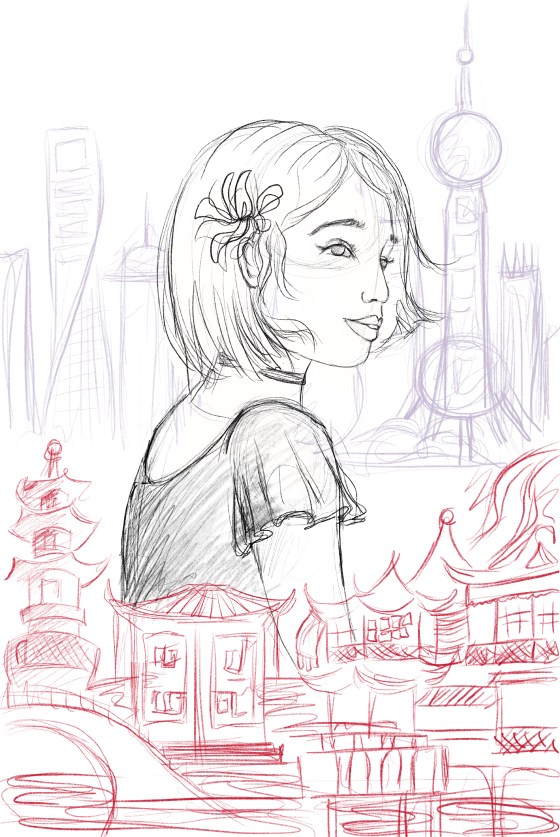
IMG_0168
‘Modernisation’ Concept 1 (Collingwood, 2019)
IMG_0167
‘Modernisation’ Concept 2 (Collingwood, 2019)
IMG_0163
‘Modernisation’ Concept 3 (Collingwood, 2019)


I’ve experimented with different background layouts, figural poses and blends of traditional and modern imagery. I chose the Pudong skyline as the background (very recognisable and iconic), with a selection of traditional architectural motifs based on the places I visited for the foreground surrounding the figure~

The idea fell into place quite quickly, as I was able to envision a rough layout after looking into my initial artist research, particularly the work of Sarah Joncas, as well as taking inspiration from my own past work:
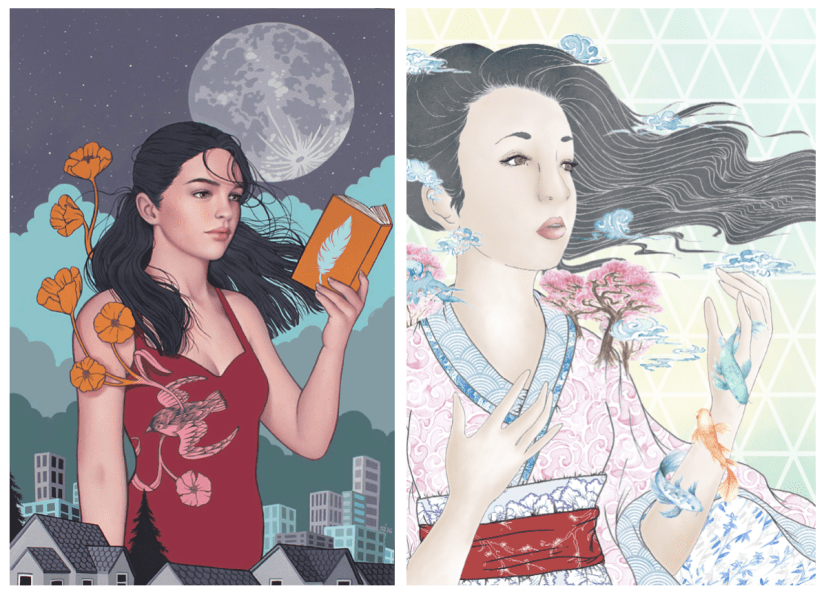
Screen Shot 2019-05-19 at 21.37.16
Left: Night Life (Joncas, n.d.). Right Haru ‘Springtime’ (Collingwood, 2017)

The combination of figural elements and landscapes is something I’m already familiar with, and I was eager to work on something that is both beautiful and detailed, with architectural elements that were new territory to me.

I think I’ll be able to realise this piece fairly ‘easily’ compared to my other projects, where half of the battle was technique and workflow. I’m confident in my ability to produce this piece on Procreate, even thought that in itself will be a slight learning curve. However, that just means this is a good opportunity to fully immerse myself in the software- I plan to do final tidy up and processing on Photoshop, but Procreate boasts most of the same functions, so I want to make sure I’m widening my skills as much as possible.

I’ll have to keep a close eye on my time restraints and other projects (e.g. this blog!), as not keeping up with any one of these will negatively impact my progress. This has been a major weakness throughout my degree, and it’s never been so critically important to keep this in check!

Targets for the next few days include working on this piece (probably constantly), while also finding time to start collating my portfolio work and prepping for hand-in~


References

Collingwood, C. (2019). Haru ‘Springtime’ [mixed media].

Collingwood, C. (2019). Modernisation Concept 1 [digital].

Collingwood, C. (2019). Modernisation Concept 2 [digital].

Collingwood, C. (2019). Modernisation Concept 3 [digital].

Joncas, S. (n.d.) Night Life [oil, acrylic].
portfolio, research, SWOT/Target Setting

Risograph Realisation – Idea Finalisation

It’s been a bit of a weird week- I haven’t made as much progress as I’d hoped with this riso project but any progress is better than none at all! ♥

I’ve been looking at finalising my riso ideas, and while these are still fairly rough drafts I find it much easier to visualise a final concept in a neater, tidier visual style (e.g. I’ll be really finishing up the layout in the actual final piece process, which is much easier thanks to the flexibility of Procreate).

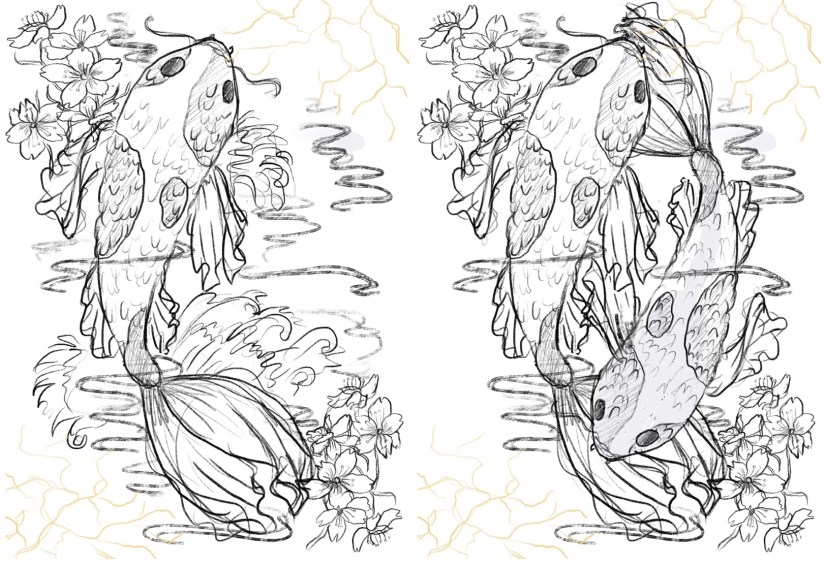
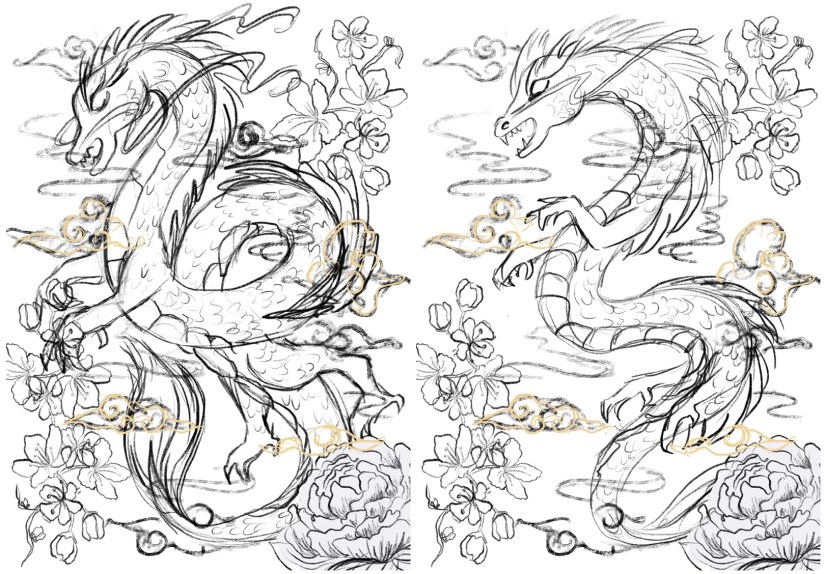
So far, I’ve got 4 potential ‘final’ layouts, each with differences that affect the way in which the artwork fills out the frame of the piece- since these will be A3, the actual image will be slightly smaller on each side (~2.5cm) due to the riso printing limitation. I’ve also begun to visualise how I can embellish these pieces (see the light gold coloured overlay on each piece for ideas on which areas I might work into- this is all TBC!).

China Risograph Print Final Concepts (Collingwood, 2019)


Japan Risograph Print Final Concepts (Collingwood, 2019)


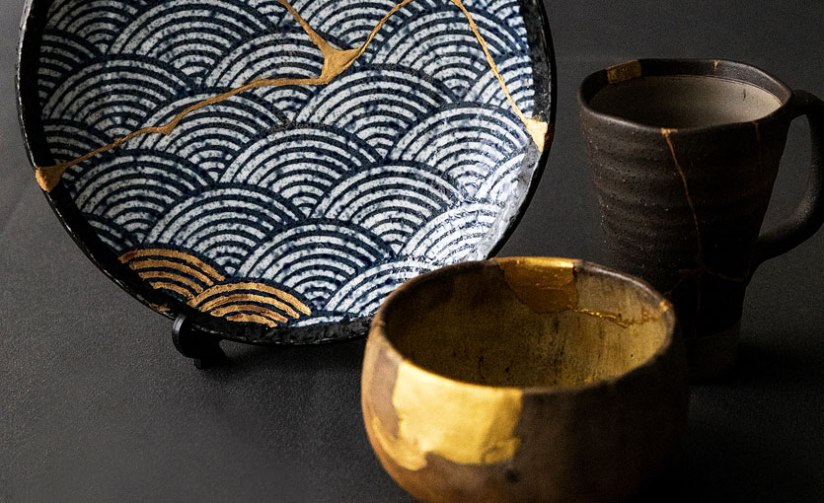
One technique I thought would work especially well on the Japanese/Koi Fish print was kintsugi inspired embellishment (which I’ve begun to visualise in the final concept sketches). I came across this art form during my visit to the Durham University Oriental Museum, where there were examples of ceramics displayed utilising this technique. The result was beautiful, and the idea behind the process even more so.

Kintsugi is based around the idea that the imperfect is beautiful- while some of us in the Western world prefer things to be new, Japanese people relish repairing broken items and seeing beauty in imperfection. This also links to the wabi-sabi philosophy, which centres around the idea that imperfection and the transience and fragility of perfection is accepted- far different to the obsession with perfection we have in the West.

I’d love to incorporate this into my work, as I too have a fascination with perfect things- I think it’d add some nice little imperfections into my pieces. The fact that I’ll be embellishing these by hand will mimic the original technique; the rest of the imagery will be digitally produced and collated, printing using the risograph which is very ‘perfect’ despite some natural variance in the process.

Hero
Kintsugi – Japanese Ceramic Gold Repair (Sydney Community College, n.d.)


I’ve also started to look at colour palettes and application for the final riso prints- since my palette is somewhat limited, I need to use my trusty Risotto colour swatch pack to look at alternative palettes that would work well. Since my artwork is mostly line-art based, I can use quite dark shades of the inks to intensify the line work while employing lighter, more subtle shades to add interest and shading.

This will be a target for the coming weeks after I’ve finished the base artwork- I’ll use Photoshop to manipulate the grayscale layers to view different colour palettes, which I’ll write about in my sketchbook.

I can’t wait to start properly visualising these finals… I’ll be using Procreate to render and layer my files ready for printmaking~

Blog post on this process coming soon! ❀


References

Carnazzi, S. (n.d.). Kintsugi: the art of precious scars [online]. Available at: https://www.lifegate.com/people/lifestyle/kintsugi  [Accessed 21 Mar 2019].

Collingwood, C. (2019). China Risograph Print Final Concepts [digital].

Collingwood, C. (2019). Japan Risograph Print Final Concepts [digital].

Richardson, J. (2016). WABI-SABI and UNDERSTANDING JAPAN | A PHILOSOPHY AND AESTHETIC AS WORLDVIEW [online]. Available at: https://www.tofugu.com/japan/wabi-sabi/ %5BAccessed 21 Mar 2019]. 

Sydney Community College. (n.d.). Kintsugi – Japanese Ceramic Gold Repair [photograph]. Available at: https://www.sydneycommunitycollege.edu.au/course/kintsugi.gold.repair  [Accessed 21 Mar 2019].

evaluation, SWOT/Target Setting

March 2019 – Progress and Reflection

It’s been a week or so since my visit to the museum, and I feel that despite always feeling that I’ve never done enough work (this is probably part *actual* truth and part self belief issues haha), I’m happy that I’ve managed to nail down my final concept after a series of initial and developed designs.

I think this riso project dragged a bit for the first couple of weeks- I suspect this is due to the fact that I spent a lot of time researching into the imagery that I wanted to use. I’m very aware of this subject matter potentially walking a fine line between appreciation and appropriation, so I wanted to take the extra steps to ensure I was representing each culture accurately. I also made use of my current knowledge as I do have a strong general interest in this topic, but I’ve learned so much more through thorough research. It’s always better to be safe than sorry, and I’m pleased that I was also able to expand my research file with this~

Drawing out the initials is really tedious for me- I much prefer sketching out the development, since this is building on an idea I really want to do (rather than drawing out ‘filler’ ideas). I fully admit I usually have a somewhat fully formed initial idea in my head when I start a project, so it can be hard to stray from this or try to show enthusiasm for the other initial ideas ^^”

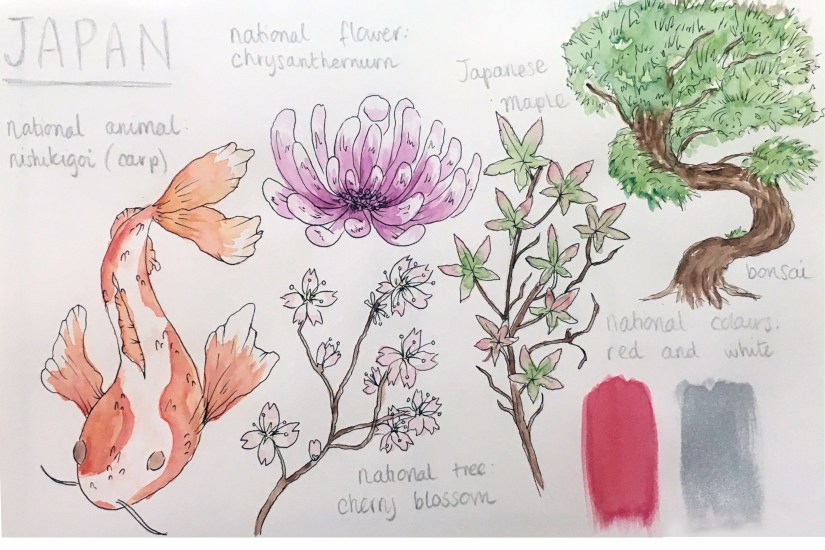
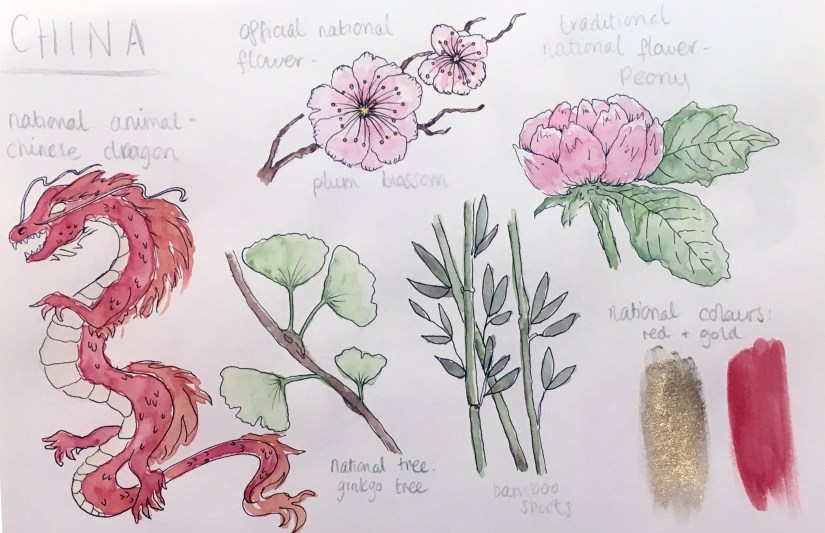
Another thing I really wished I’d done was to do all of my initials and development digitally- as well as aiding in the general layout, working digitally is much neater and less messy than scribbly pencil drawings (which my sketchbooks are notorious for). I tried to remedy this by doing a few little ‘key icons’ research pages in watercolour in my sketchbook- the phrase “you can’t polish a turd” comes to mind, but I had fun doing them anyway!

japaniconsheet
Japan Icon Sheet (Collingwood, 2019)


chinaiconsheet
China Icon Sheet (Collingwood, 2019)


It was really strange drawing and colouring something refined traditionally- I never thought it would come to this but I actually really prefer digital now! Especially since I’ve started working on Procreate with my iPad, since the technicality and effects both mimic tradition workflows very well. Throwback to the iPad review I wrote- read it here

Targets for the coming weeks include finishing off my digitised concepts, taking these into the final design stages, and looking further into colour choices with the riso.

I’ll have to be mindful of any threats to my progress such as time restraints and poor planning, as these things have hindered me in the past- however, I’m determined to keep better time this semester, as one of my targets from a few weeks ago was to manage time better.

More to come soon!


References 

Collingwood, C. (2019). China Icon Sheet [ink, watercolour].

Collingwood, C. (2019). Japan Icon Sheet [ink, watercolour].

research

Durham University: Oriental Museum Visit

Back with another post on our day out at the Durham University Botanic Garden and Oriental Museum! Find my post on the Botanic Gardens here c:

Admittedly, I’m really not much of a museum-goer… I find them quite dry and stuffy at the best of times. However, I do have a deep appreciation of Asian culture and art, so I thought I’d give this museum a go since it sounds right up my street. The uni were also running a special admission deal for the Botanic Garden and the Oriental Museum on the same day~

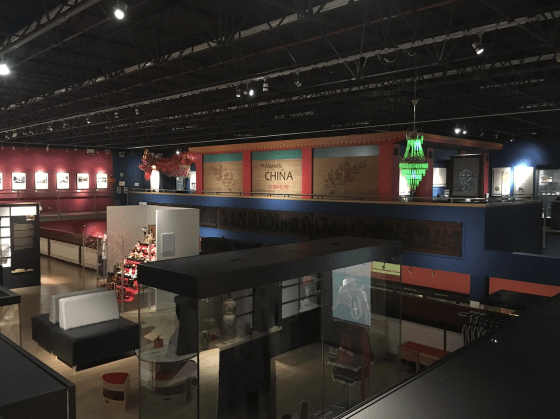
Upon arriving the museum was nicely set out, organised in a tiered open space type layout- I know this has nothing to do with my research but it made it feel nice and airy in there (which made me much less anxious about spending hours getting lost in a blur of similar exhibits)!

Screen Shot 2019-03-01 at 14.40.53
Durham University Oriental Museum: Main Floor (Collingwood, 2019)

There were a plethora of cultures on show at the museum including Korean, Egyptian, Middle-Eastern and Indian exhibits which I thoroughly enjoyed; however, for the purpose of this post I’ll be looking specifically at Chinese and Japanese items, since that’s what I’m basing my project on.

We visited the Japanese exhibit first- although it was small, there were some gorgeous examples of early ceramics and pottery, as well as some ceremonial prayer set-ups and symbolic items. My favourite exhibit was the collection of traditional Hina Matsuri dolls. The attendant told me these are only displayed for a short time around Doll’s Day or Girl’s Day (celebrated on the 3rd March each year)- more on this holiday here if you’re curious!

IMG_8830
Durham University Oriental Museum: Hina Matsuri Doll Display (Collingwood, 2019)

This is exactly what I was looking for to supplement the images of flora and fauna I’d taken in the gardens… I’m excited to work some of these visual styles into my concepts c:

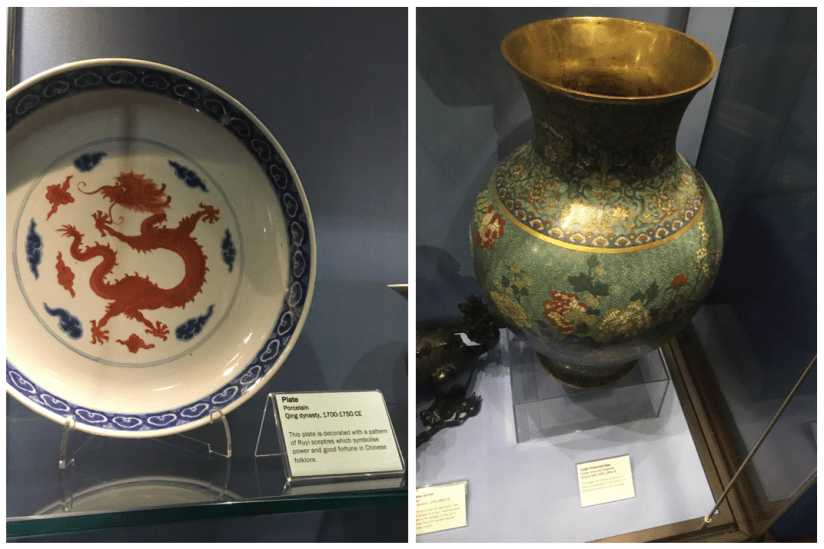
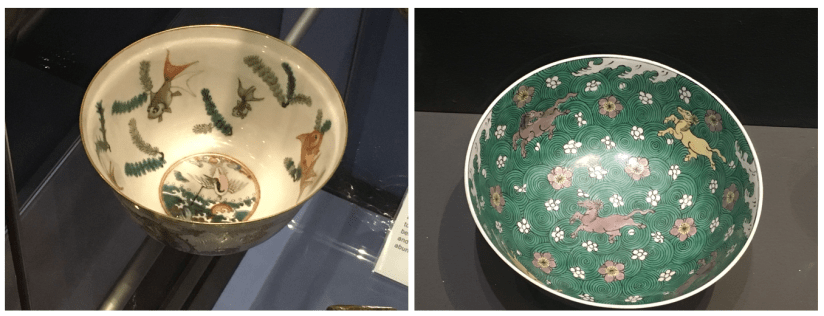
I then wandered across to the Chinese exhibit floors- there was a much larger space for Chinese items and artwork, so I was able to gather tons of really useful reference imagery. The ceramics and pottery were standouts for me; peek a few photos from the exhibit below. My favourite item was the huge Qing Dynasty cloisonné floral vase!

Screen Shot 2019-03-02 at 19.01.21
Durham University Oriental Museum: Qing Dynasty Red Dragon Plate/ Qing Dynasty Cloisonné Vase (Collingwood, 2019)
Screen Shot 2019-03-02 at 19.00.55
Durham University Oriental Museum: Qing Dynasty Porcelain Bowl with Fish and Crane/Floral Horse Bowl (Collingwood, 2019)

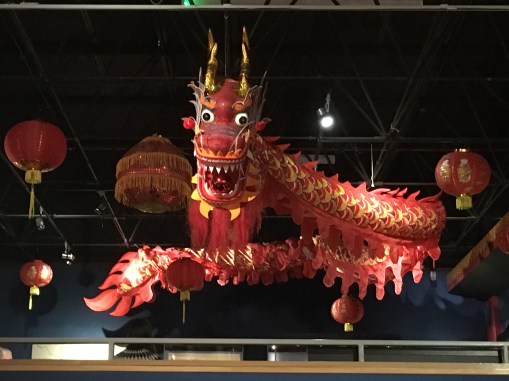
At the far end of the Chinese floor was a huge paper replica of a traditional Chinese Dragon- with Chinese New Year being recently, it was nice to see an example of some more modern festive items. In particular I was happy to see this, since my current concepts for the Chinese risograph feature a traditional Chinese Dragon very prominently.

IMG_8864
Durham University Oriental Museum: Upper Floor Chinese Dragon and Lanterns (Collingwood, 2019)

You may have noticed the quality of these photos is lacking in this post… truthfully I find museums to have horrendous lighting for photographing exhibits, so while most of my pics are useful and do the job, they’re not very nicely composed and a bit naff. There was also no flash photography, so I just had to make do with the conditions in there… and it was very dark >:c

Overall I thoroughly enjoyed my research visit to Durham. I’m so pleased I was able to source places to go for references for this project- I doubted I’d be able to find sufficient primary sources, so I was winning before I’d even begun~

I’m looking forward to working this new imagery into my concepts- I feel much more equipped to produce some lovely symbolic pieces of art that work well together and show my appreciation for the beauty of Asian culture ♥


References

Collingwood, C. (2019). Durham University Oriental Museum: Floral Horse Bowl [photograph].

Collingwood, C. (2019). Durham University Oriental Museum: Hina Matsuri Doll Display [photograph].

Collingwood, C. (2019). Durham University Oriental Museum: Main Floor [photograph].

Collingwood, C. (2019). Durham University Oriental Museum: Qing Dynasty Cloisonné Vase [photograph].

Collingwood, C. (2019). Durham University Oriental Museum: Qing Dynasty Porcelain Bowl with Fish and Crane [photograph].

Collingwood, C. (2019). Durham University Oriental Museum: Qing Dynasty Red Dragon Plate [photograph].

Collingwood, C. (2019). Durham University Oriental Museum: Upper Floor Chinese Dragon and Lanterns [photograph].

Wikipedia (n.d.). Wiki – Hina Matsuri [online]/ Available at:  https://en.wikipedia.org/wiki/Hinamatsuri [Accessed 24 Feb 2019]

research, SWOT/Target Setting

Risograph Realisation – Design Development

In my initial ideas, I’ve played with concepts such as traditional Asian-inspired pattern work (which I’m quite familiar with from past projects), basic floral motif work, and my favourite concept so far: prints based on national imagery associated with Japan and China.

I visited China last year and -for lack of a less cliché term- fell in love with how cultural significance is interwoven throughout every aspect of their design and aesthetic. The concept of a pair of prints representing China and Japan came from the idea of ‘where I’ve travelled to, and where I plan to go next’, combined with a deep appreciation of Asian culture and design. Since the two cultures influenced each other so much throughout history, a pair of prints encapsulating each country’s defining aesthetics works really well (both as an entity and as separate pieces of design).

After working on this idea, I was enjoying some down time in front of the telly and caught an episode of Monty Don’s Japanese Gardens (BBC Two, 2019)- obviously this appealed to me massively! The pair of episodes focused on the distinct seasons of spring and autumn in Japan, and how the foliage and flora changes accordingly. Of course, this inspired an alternative to my front-running design idea based on this aspect of Japanese culture and aesthetic design- nothing is by chance in Japanese design, not even nature!

Additionally, since the risograph printer is originally from Japan I thought it would be really interesting to combine traditional Japanese imagery with the newer technique of riso printing to create something that bridges the gap between traditional and modern technique.

I also really want to explore colour in this project, since we have some lovely new inks to use in this process (these being Purple, Teal and Green). I see lots of opportunity to incorporate these shades into my work to create something more refined and less blocky and loud compared to the terrarium project, which was printed in garish tones of blue and pink. I still like those prints, but I’m hoping to capture a totally different and more refined aesthetic with this project that’s also more visually in-line with other projects I’ve worked on.

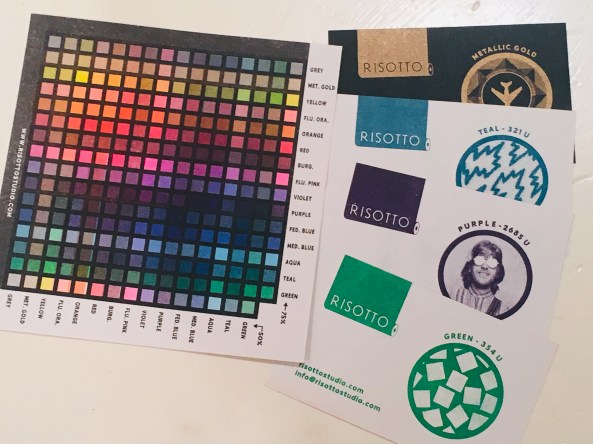
To help me with colour matching, I’ve ordered a riso swatch pack from Risotto (a print studio based in Scotland that I’ve included in my research)- since it’s not very cost effective to make a test sheet of colour overlays and combinations myself, I thought I’d order a pack from a riso studio to use as a guide when fiddling with the opacities of my final image. I didn’t really make use of this design mechanic in Semester 1, so that’s a personal goal of mine for this project c:

IMG_8566
Risotto Studio Risograph ink swatches (Collingwood, 2019)


Here’s a pic of the contents of the pack- looking at these, I really wish we had a gold ink available at the college! It looks especially nice on black ♥ I’m still planning to embellish my final prints in ‘post-production’ using a variety of techniques- maybe even making some of them specific to a particular print. This will include metallic leaf work, so I can make a similar effect myself for now.

In terms of SWOT analysis for this week, I can work with my previous analysis from Semester 1’s PP1 (Printmaking), when I was also working on a riso project. Despite having more strengths with the riso medium than weaknesses due to valuable past experience, I still need to be aware of my biggest threat: timekeeping. However, the best opportunity for this semester will be to *actually* keep better time throughout, which is very doable since I’m still pretty early on in the term.

More next week when I nail down my final idea (I’m still a bit undecided!) and start refining this digitally~


References

Collingwood, C. (2019). Risotto Studio Swatch Pack. [Photograph].

Monty Don’s Japanese Gardens. (2019). BBC Two Television, 15 February.

Risotto Studio. (n.d.) Risotto Riso Room. [online]. RisottoStudio.com. Available at: https://www.risottostudio.com/print [Accessed 3 Feb 2019].


portfolio

Concept Development – Storyboarding

Now that my character designs have been finalised, I can begin to storyboard the narrative.

While I do want the story to be interesting, I’m planning to make the main focus ‘interaction’- between the characters and their environments. This means a more gesture based approach to the animation, where characters will bond with their environments and explore new ones. In this case, the young girl will journey through her own woodland environment to the Deer’s house, where she’ll discover a new environment.

I’m most inspired by the way in which Studio Ghibli animates even the most mundane of actions with a quiet, curious interest- this is present throughout all of their films. It really brings out the natural beauty in the scenery without drawing the focus towards anything in particular.

The story is short (clocking in at just over a minute), but at an anticipated 12fps this should be more than enough to keep me busy!

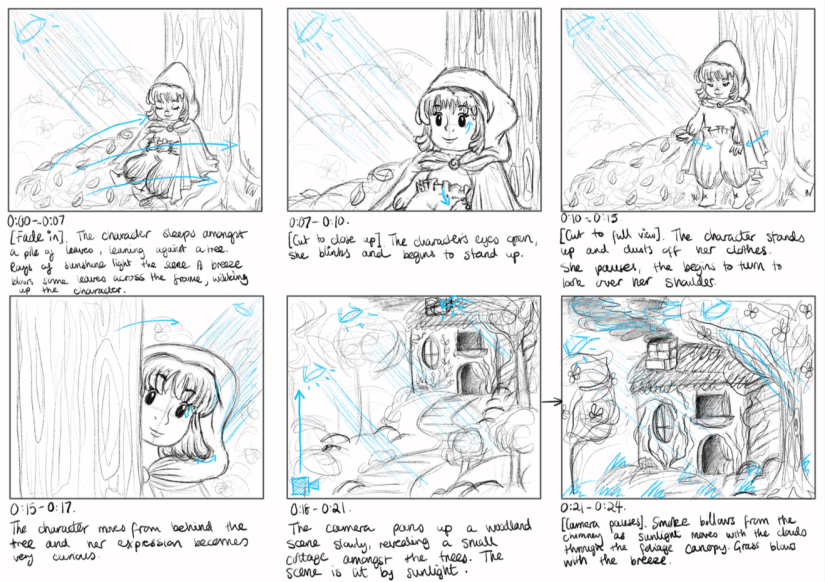
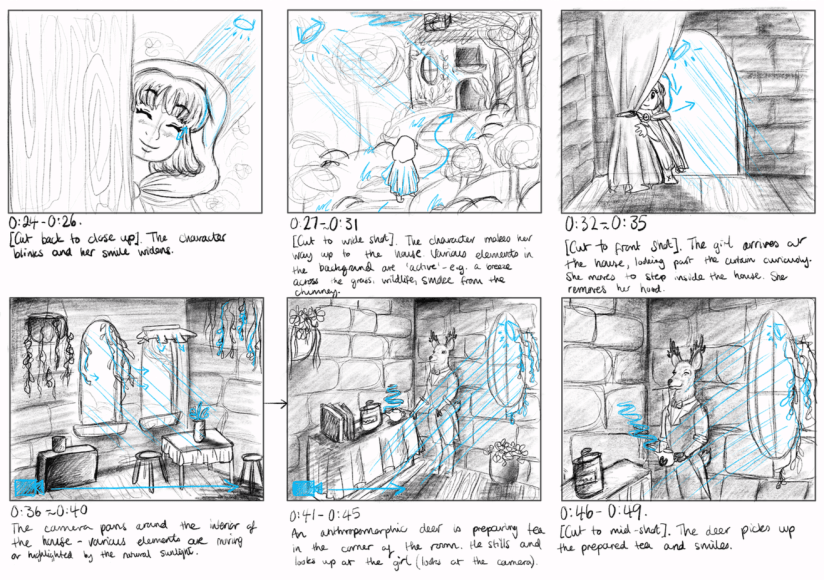
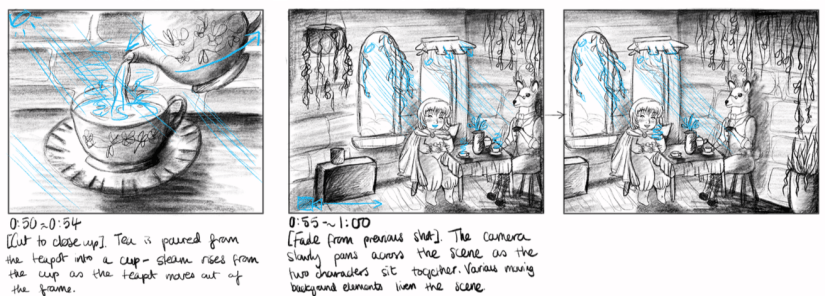
[Update 19.01.19] And here are my finished storyboards… I’m sure I’ll refine these more in future once I’m better informed with the limitations of the Semester 2 project, but for now these will do nicely. I had a few problems with drafting out proper perspective in such a simplified way, but these are not written in stone so I can definitely correct these little problems in future when I have more time to dedicate to properly exploring environment design~

screen shot 2019-01-25 at 13.42.43screen-shot-2019-01-25-at-13.42.50.png

screen-shot-2019-01-25-at-13.42.58.png
Narrative Storyboards, PP2. (Collingwood, 2018)


I’ve really tried to look at how I can animate even the ‘still’ scenes, with background elements that move continuously or small pieces of animation to liven up an otherwise stagnant frame (e.g. the steam from the teacups, or the breeze blowing branches and leaves). I’ve used a blue pen to describe the animated aspects or camera directions- hopefully this will help me to clarify what to animate in each scene.

I’m overall pleased with how these have turned out, and even though there’s room for improvement this is my first experience with visual storyboarding. Can’t wait to get this project tied up and finished so I can start on Semester 2 work~


References

Collingwood, C. (2019). Personal Project 2 Narrative Storyboard Panels [Digital].

portfolio, SWOT/Target Setting

Concept Development – Character Designs

I have some new character designs to share! c: I’ve been working constantly on these since my last update- I feel I’ve made good progress even though there’s still so much to do!

screen shot 2019-01-28 at 10.19.12
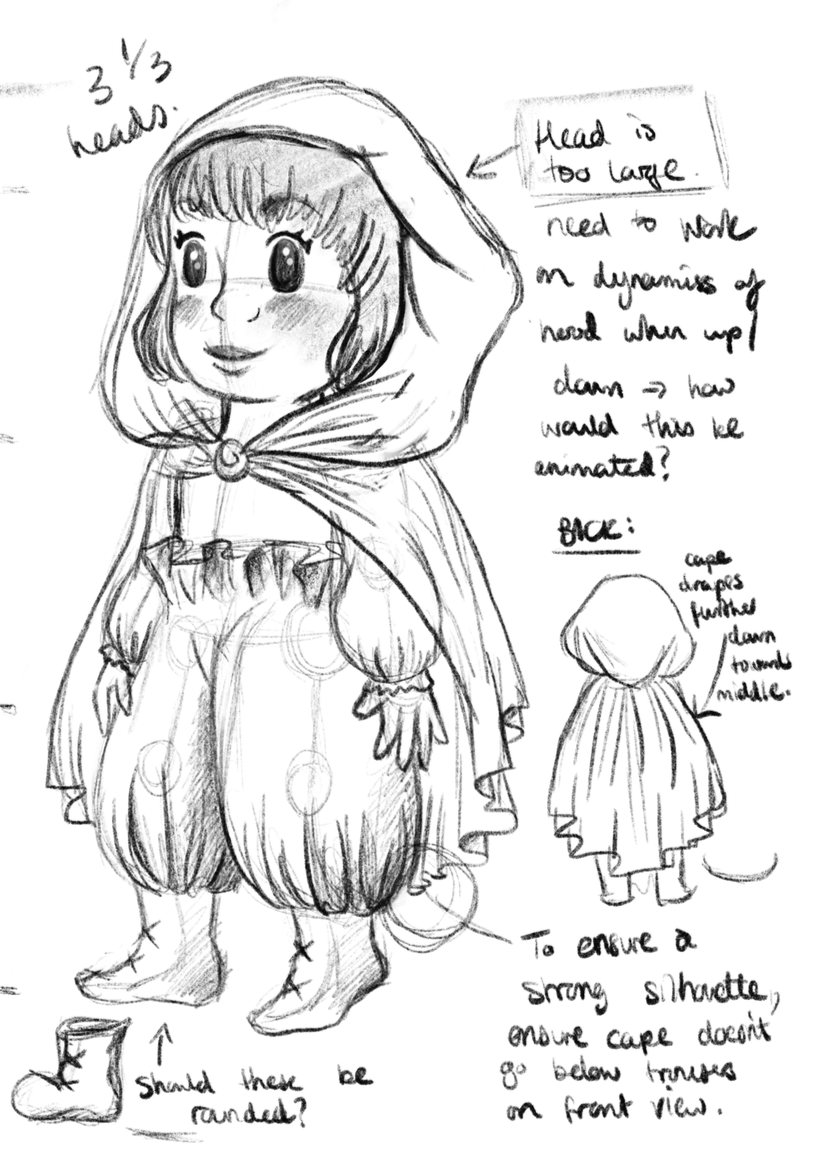
Young Female Character: Initial Concepts (Collingwood, 2019). 
screen shot 2019-01-28 at 10.19.32
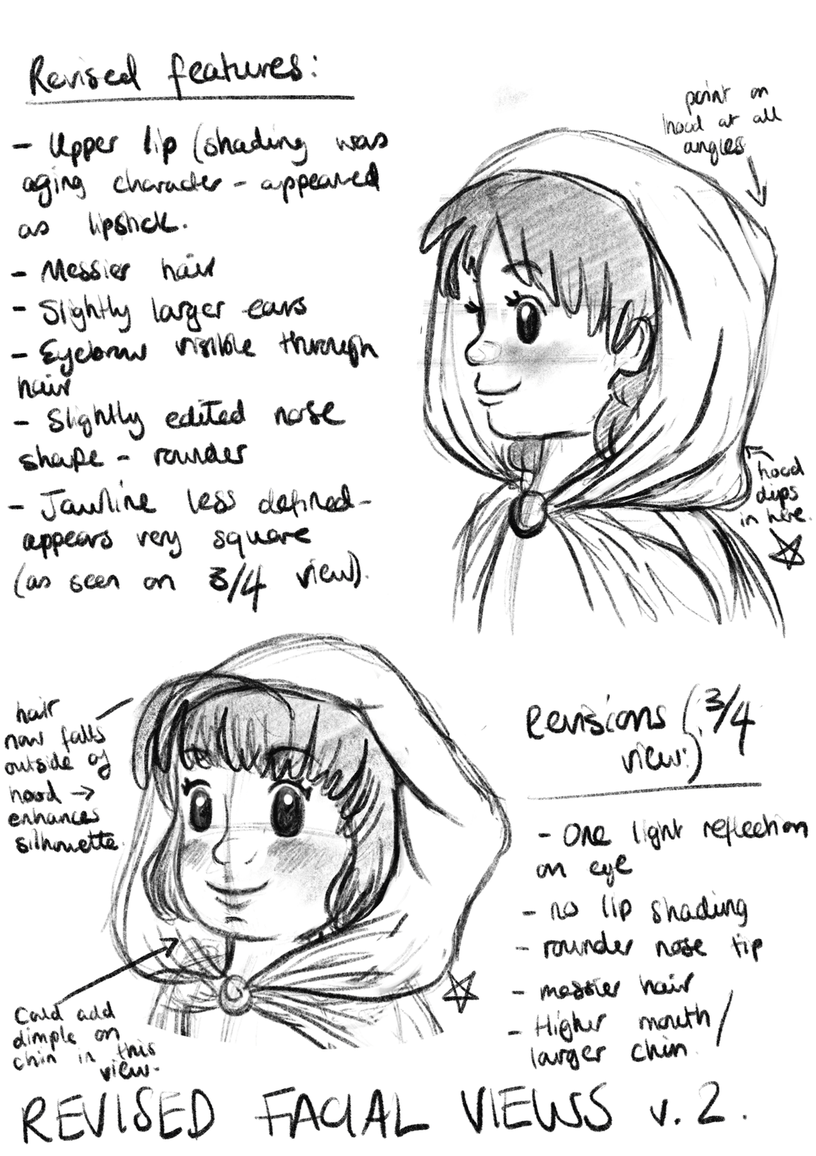
Young Female Character: Face Revisals/Development (Collingwood, 2019). 
screen shot 2019-01-28 at 10.22.48
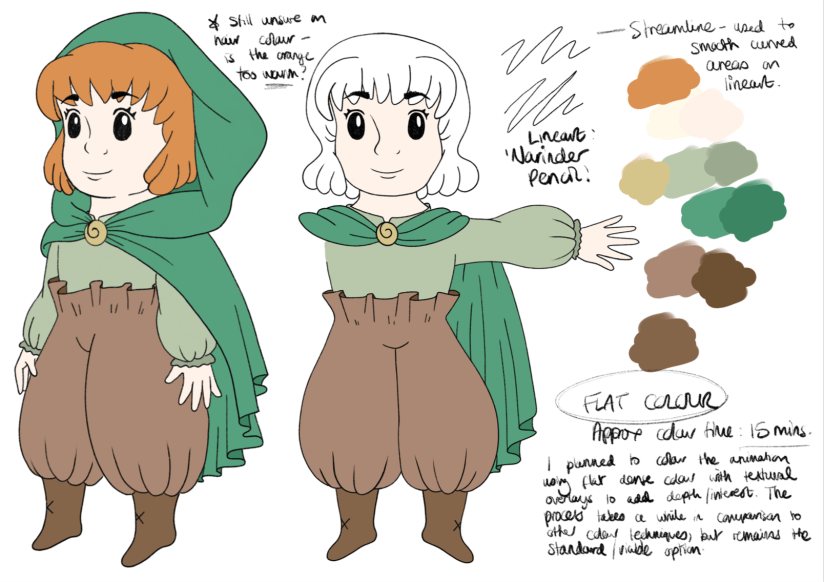
Young Female Character: Palette/Colour Application Experimentation (Collingwood, 2019). 


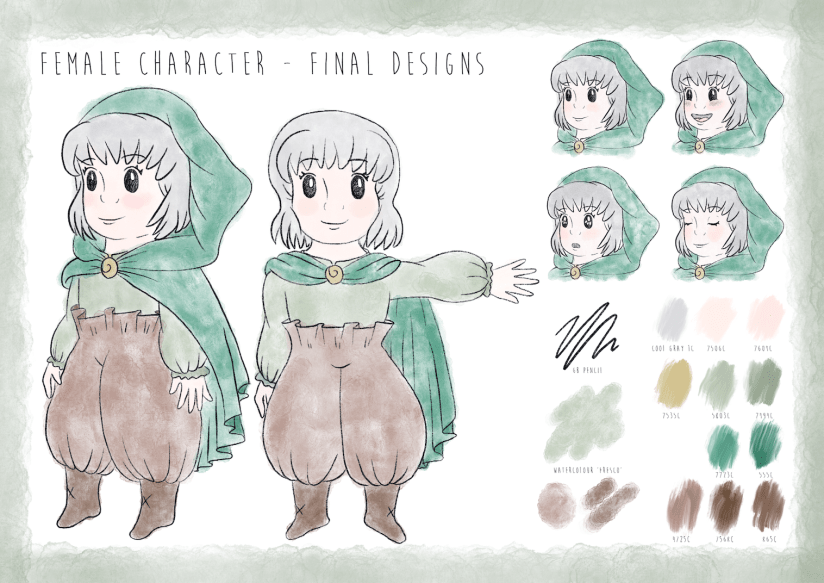
Meet our heroine of the story- she doesn’t have a name on purpose, because I want the audience to be able to relate to her and put themselves in her shoes. Since she’s youthful, naïve and curious, I wanted these traits to shine through in her character design. I went through loads of concepts (some of which were really awful, haha) but settled on a final design for her that best described her personality to the viewer. I’m sure it shows, but I was really inspired by the ‘chibi’ characters of Studio Ghibli, as well as the loose, simplistic art style of Heikala (info on both of these here from my artist research for this project).

I’m pleased with her design- she went through quite a few refinements as I progressed through my workflow! Final character board below:

screen shot 2019-01-25 at 13.41.43
Young Female Character: Final Character Board (Collingwood, 2019). 


To be honest my favourite aspect of her is her ‘paper bag’ trousers- I didn’t want to put her in a skirt lest that undermine her childish adventurous nature, so I decided to go with these oversized paper bag pantaloons (which also matched her boots and cape much better… too many ‘loose hems’ otherwise!)

I really love them ^^”


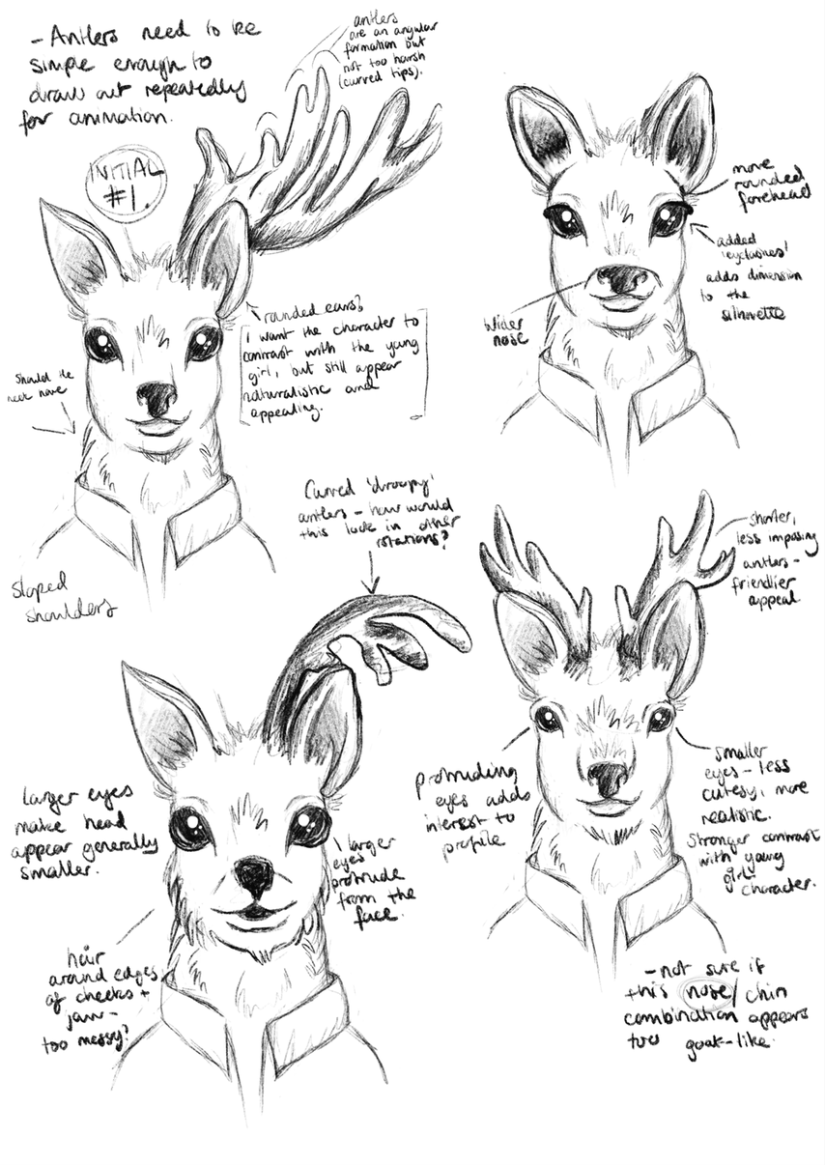
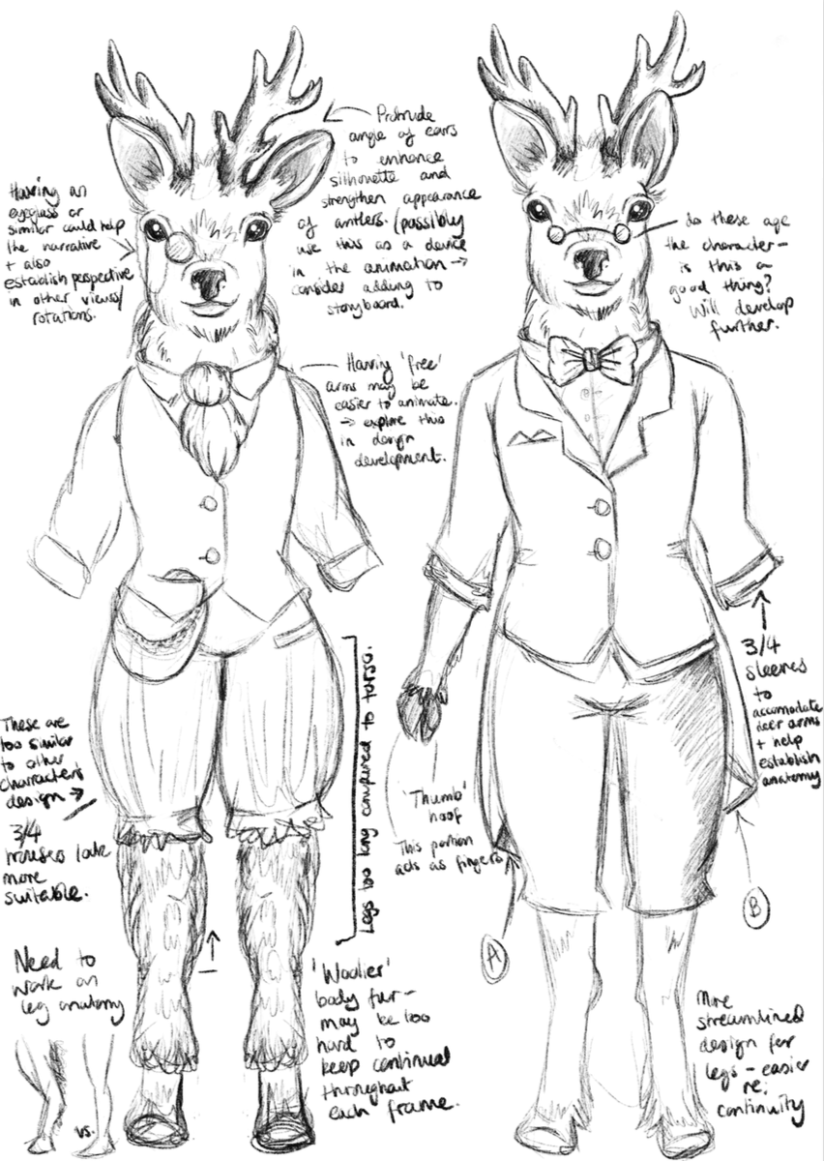
Next up, we have our anthropomorphic deer character:

screen shot 2019-01-28 at 10.20.51
Anthropomorphic Deer: Initial Head Concepts (Collingwood, 2019). 
screen shot 2019-01-28 at 10.21.32
Anthropomorphic Deer: Anatomy/Front View Development (Collingwood, 2019). 
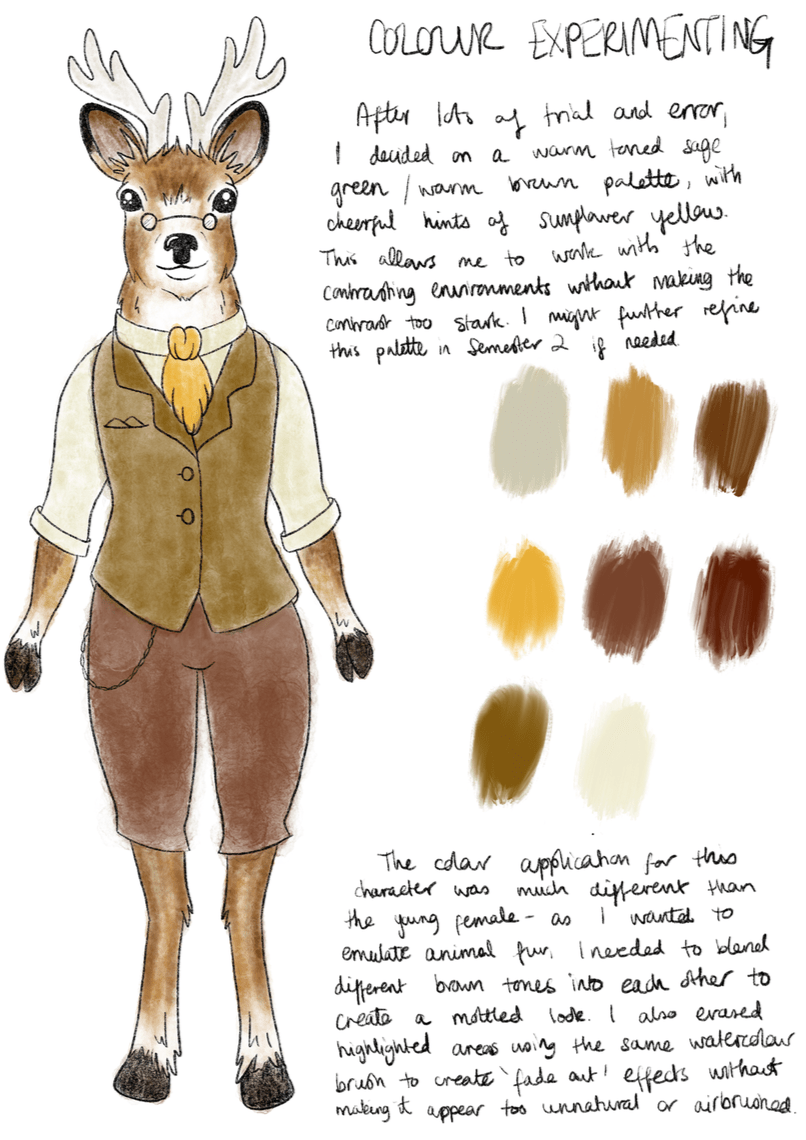
screen shot 2019-01-28 at 10.16.14
Anthropomorphic Deer: Palette/Colour Application Experimentation (Collingwood, 2019). 


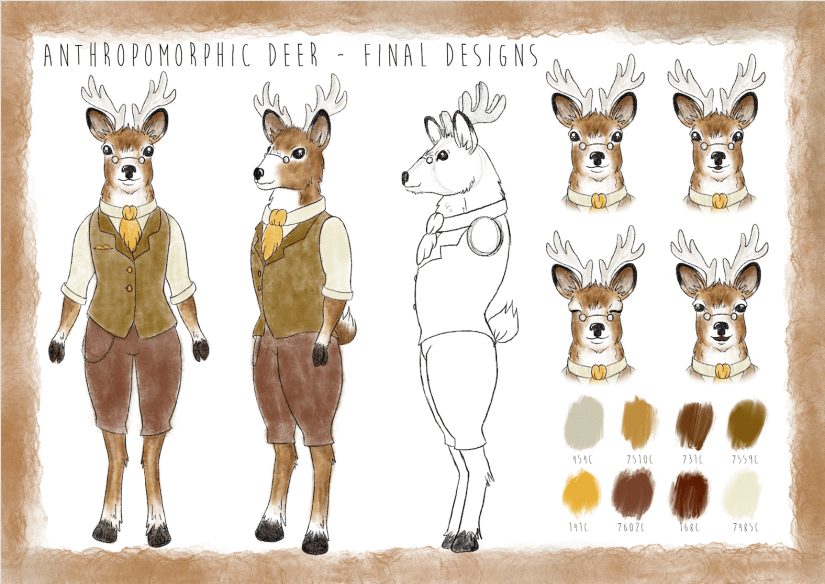
I designed him to both contrast and complement the young girl character, since the contrast of their environments and designs is central to the narrative journey. The palette is still natural while being different to the bright, fresh toned greens I used on the female character’s designs.

He’s very scholarly and loves a good cup of tea, I hope you can tell~

screen shot 2019-01-25 at 13.41.58
Anthropomorphic Deer: Final Character Board (Collingwood, 2019). 


It was a real challenge to simplify the characters enough so that there wouldn’t be any issues when drawing them repeatedly for the animation- I think I’ve nailed this down enough, but as always there’s always the chance I’ll refine these some more in the follow-up Semester 2 project.

I’m pleased with the outcomes- targets for the next few weeks include finalising and collating all of my projects for hand in, and starting to think about the beginning of Semester 2 and how I’m going to tackle the next few months. Using my previous SWOT analysis’ will help me circumvent any problems I anticipate I’ll have, while also playing towards my strengths to produce a strong semester of portfolio work.


References

Collingwood, C. (2019). Anthropomorphic Deer: Anatomy/Front View Development [Digital].

Collingwood, C. (2019). Anthropomorphic Deer: Final Character Board [Digital].

Collingwood, C. (2019). Anthropomorphic Deer: Initial Head Concepts [Digital].

Collingwood, C. (2019). Anthropomorphic Deer: Palette/Colour Application Experimentation [Digital].

Collingwood, C. (2019). Young Female Character: Face Revisals/Development [Digital].

Collingwood, C. (2019). Young Female Character: Final Character Board [Digital].

Collingwood, C. (2019). Young Female Character: Initial Concepts [Digital].

Collingwood, C. (2019). Young Female Character: Palette/Colour Application Experimentation [Digital].

Heikala (n.d.). Instagram – @heikala (online). Available at: https://www.instagram.com/heikala/?hl=en [Accessed 2 Jan 2019].


evaluation, portfolio

A Short Timeline of The ‘Wonder’ Project

Well I’ve been productive this week…~

(haha but no really, I essentially just finished the Wonder Penguin Project in 4 days). It was intense, but it worked!

I didn’t mean to take such a small amount of time for this (my initial timetable gave me 4 *weeks* from mind map to final cover), but having so much downtime in my life made me reevaluate how long I really had to complete this brief. I have so much in store for PP2 that I didn’t want to waste any more time than necessary on what was supposed to be my ‘shortest’ project- that thought took on a while new meaning…

I had already researched into some existing source material e.g. book covers and film posters before the Christmas break, so I’d be lying if I said I didn’t have a rough idea of what I wanted to do. With this research in hand, I started to draft out some concepts of the cover, evaluating each one and choosing the most successful to take forward to development. This was all pretty run of the mill development work that I completed over the course of a day, so I’ll move onto the more interesting stuff~

I worked in Procreate again to bring the final product to life- I feel that my workflow has really come into its own since I started using my iPad as a key tool in my process; it’s the perfect balance between familiar traditional technique and the ease and innovation of digital painting. I was able to scan in my final concept from my sketchbook and work directly on top of this in Procreate, where I could fine-tune the details, proportions, etc.

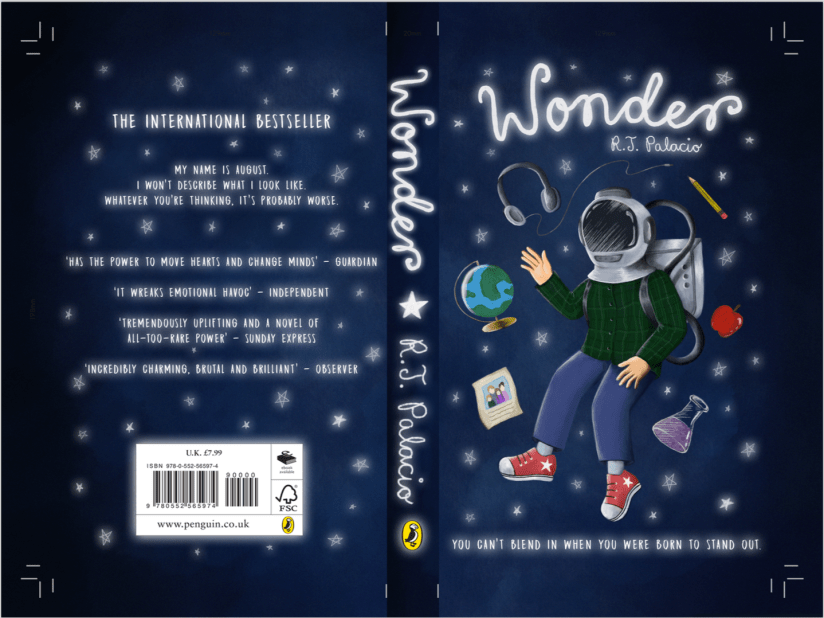
Procreate tells me I clocked in at just under 8 hours with over 7000 strokes to complete the cover- that’s quite an interesting stat! I’m pleased with the final image:

screen shot 2019-01-25 at 12.31.31
Wonder Final Cover Art (Collingwood, 2019).

I’ll be making a mock-up final product by laminating my printed cover onto an existing copy of the book before hand in too… it’ll be nice to see a ‘finished product’!

I’m expecting to have to make a few wee changes/additions to the project work (particularly the written work) once I have a pre-hand in tutorial, but for the most part I can put this project to rest. ♥


More next week as the deadline draws near!


References

Collingwood, C. (2019). Wonder Final Cover Art [Digital].

inspiration, research

November Update – Reflection and Target Setting

It’s been a wee while since I wrote the last post… it’s been a weird few weeks with only a little bit of progress unfortunately! I’ll hopefully be back into the swing of things now, with updates at least once weekly.

In terms of the riso project, I’ve finished everything bar the actual printing of the artwork… so yes, I’m slightly behind. I’ll correct this during this coming weeks while I work alongside the Character Design Development project so I don’t fall behind- I can’t afford to lose any project time this year.

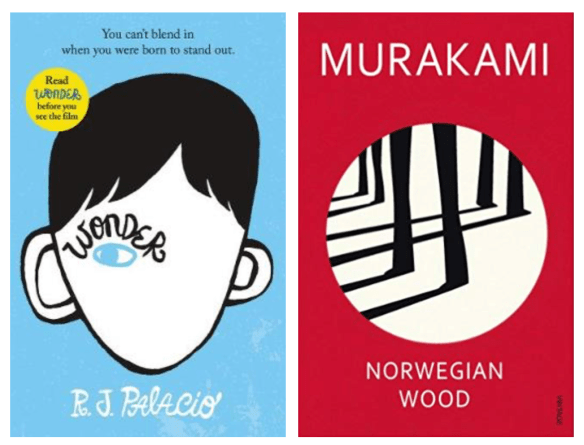
Additionally, the list of book titles for the Penguin Student Award has been released- initially I was torn between Wonder by R.J. Palacio, and Norwegian Wood by Haruki Murakami. The current iterations of the cover art for both titles are very minimal and follow a specific theme throughout the rest of the author’s novels. Below are the two most recent covers released in the UK:

Screen Shot 2018-11-12 at 11.27.42.png
Left: Palacio, 2014. Right: Murakami, 1987.

Ultimately, I’m marginally more partial to Wonder, especially as I think some of the key imagery and thematic elements that are featured in the narrative lend themselves towards my style and interests slightly more than Norwegian Wood. More on this next month when I start production on the project~

I’m also due to start my Character Design/Animation Development project this month- I’ll do an update soon about my initial research and where I’m going with the characters and storyline. This is a project that I’ve had in mind for *years*, so it’ll be nice to finally bring it into realisation ♥

It’s been a rough few weeks but I’m excited for what lies ahead and for the upcoming projects I’ll be working on- but for now, I’ll be mostly focusing on finishing the riso project (e.g. doing some initial test prints while we wait for the new ink colours to arrive)- at present I’m in the dark as to what the test prints will yield. It could be that I’ll have to completely re-do my artwork, or alter some of the design, or a number of other things. I’m worried about it, but I’m also too excited to start the next project so my mind is all over the place! Hopefully I’ll be able to have some closure with the riso project soon.

Targets for the following month include finishing the riso project very soon (in order to leave ample time for the other two projects), as well as continuing to promote ‘radial thinking’ in my process, particularly as part of the experimental nature of Semester 1.


References

Palacio, R. (2014). Wonder. London: Corgi. p. Cover Artwork.

Murakami, H. (1987). Norwegian Wood. London: Vintage. p. Cover Artwork.